Inside Portland’s Tree Inventory: A Community Tree Steward
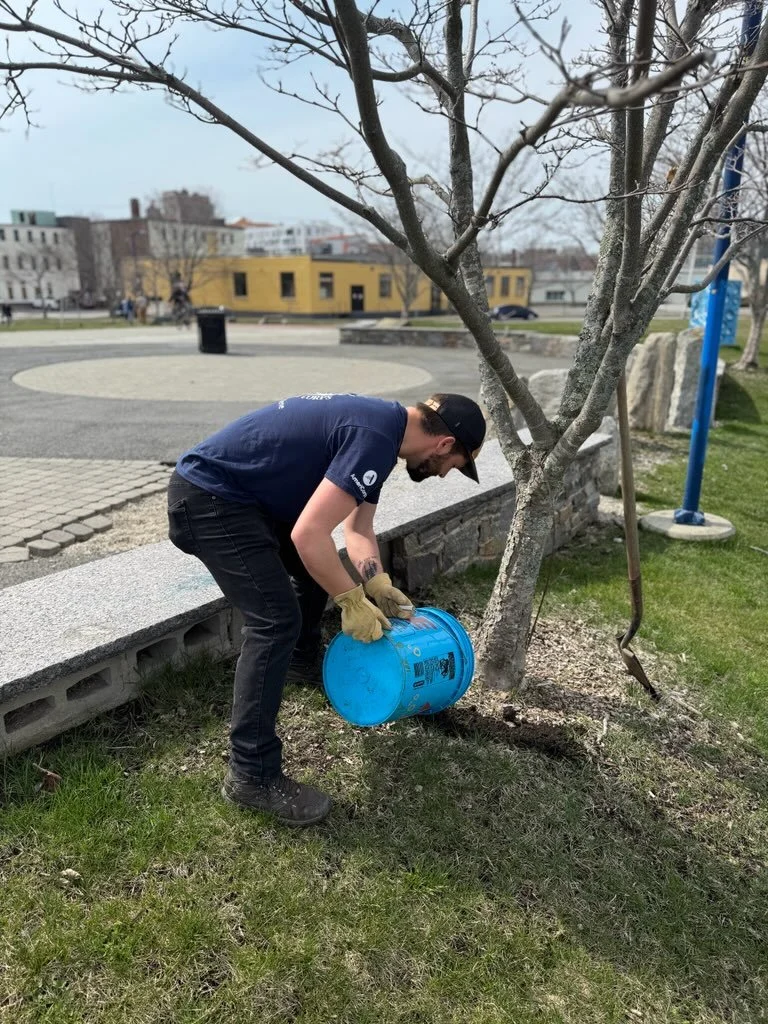
This past year, Portland’s urban forest was strengthened through the work of Cameron Scharff, a Community Tree Steward supported by AmeriCorps and hosted by Portland Parks, Recreation, and Facilities in the Forestry Division.
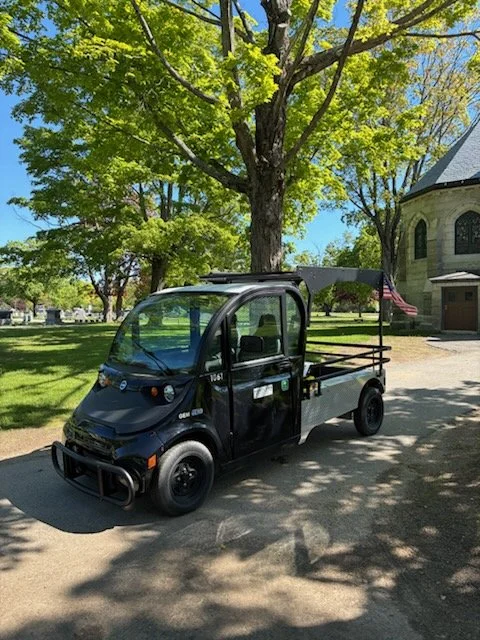
In this role, Cameron surveyed city-owned trees across streets, parks, schools, and cemeteries, updating Portland’s tree inventory using GIS technology to support planning, maintenance, and future planting efforts.
After months in the field, we asked Cameron to reflect on the project, his day-to-day work, key findings about Portland’s urban canopy, and what he learned along the way. Below, Cameron shares his insights in his own words.
Why is this project important?
The tree inventory serves as the foundation for Portland’s updated Forest Management Plan. It allows the Forestry Division to understand where trees are located, what species make up the canopy, how healthy those trees are, and which areas of the city need additional attention. The inventory is also used alongside national tree equity data to help ensure resources are distributed equitably across neighborhoods.
What did your day-to-day work look like?
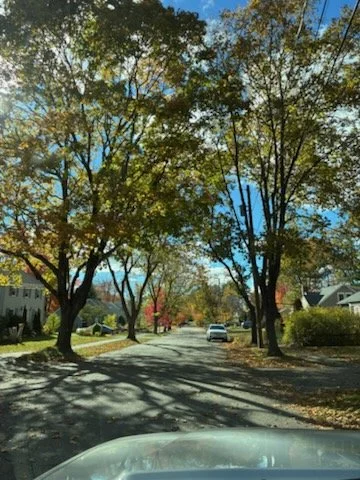
Most days were spent in the field walking Portland’s streets and surveying trees one by one. Each tree was identified, measured, assessed for health, and documented in the city’s GIS system. Over the course of the project, I surveyed nearly 20,000 data points and estimate walking between 150 and 200 miles throughout the city.
What did the data reveal about Portland’s urban canopy?
The average tree diameter was 14.5 inches, and while many trees were in good health, the canopy is highly concentrated in just a few species. Maples make up over one-third of all street trees, with Norway Maples alone accounting for nearly 19 percent of the existing canopy. This lack of diversity presents long-term risks, especially as many of these trees are aging and declining, making proactive management and diversification especially important.
What did you learn beyond the data?
This role deepened my understanding of how important urban trees are to cities. Trees help cool neighborhoods, manage stormwater, support wildlife, and improve human health. Walking nearly every street also gave me a unique, firsthand understanding of Portland’s geography and neighborhoods.
Were there any memorable moments while surveying?
One of the most memorable moments was finding a raccoon fast asleep in a maple tree on Munjoy Hill, completely undisturbed by passing cars and nearby construction. I also had many positive interactions with residents who were curious about the work or wanted to share stories about their neighborhood trees.
What’s next for you?
I continue to work with Portland’s Forestry Division in an on-call capacity, helping complete remaining surveys in parks and cemeteries. Looking ahead, I plan to pursue a career focused on land stewardship, conservation, and environmental education.